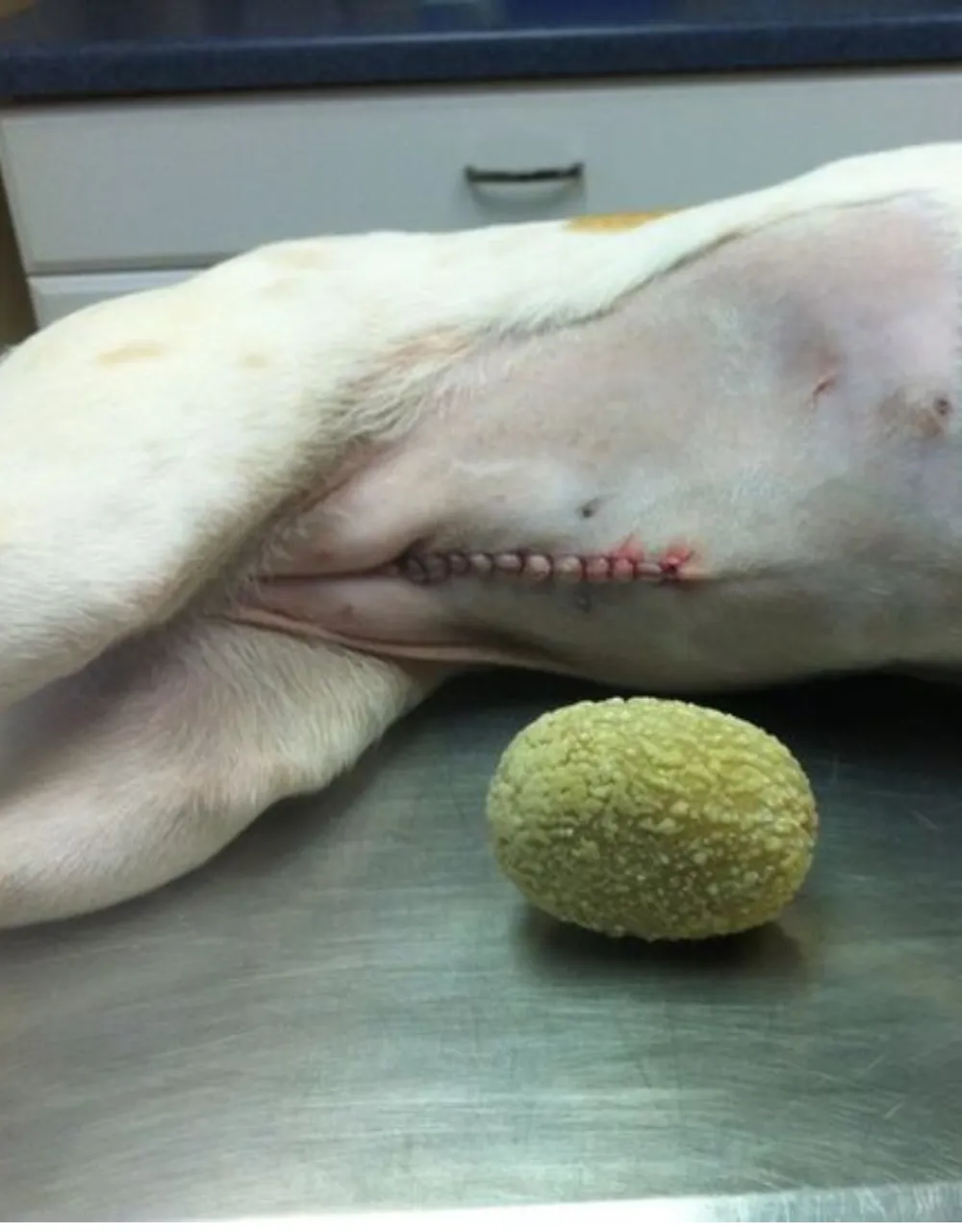
Cystotomy (Bladder Stone Surgery)

Bladder stones can cause significant pain, urinary blockage, and serious health complications if left untreated.

At Arnett Animal Hospital, we perform cystotomy procedures to safely remove bladder stones and restore normal urinary function. This surgical treatment is often recommended when stones are too large to pass naturally or when they create obstruction risks. Pets suffering from bladder stones may experience discomfort, infections, or difficulty urinating, all of which require prompt medical attention. Our surgical team focuses on precise stone removal while protecting surrounding urinary structures. We use advanced monitoring, sterile techniques, and structured recovery planning to support safe outcomes. Pet owners across Chicago trust our expertise when their pets require bladder stone surgery.


Understanding Bladder Stones in Pets

Bladder stones form when minerals crystallize in the urinary tract, leading to irritation and potential obstruction.

  • Mineral crystal accumulation
  • Urinary tract inflammation
  • Increased infection risk
  • Painful urination symptoms
  • Potential urinary blockage

Surgical Procedure Overview

Cystotomy is performed under general anesthesia, allowing safe access to the bladder for stone removal.

  • Pre surgical diagnostic imaging
  • Bladder incision for stone extraction
  • Removal of all visible stones
  • Bladder flushing to clear debris
  • Surgical closure and monitoring

Signs Your Pet May Need Surgery

Recognizing urinary distress early helps prevent emergencies and supports faster treatment intervention.

  • Straining while urinating
  • Blood in urine
  • Frequent urination attempts
  • Crying or discomfort during urination
  • Reduced urine output

Post Surgical Recovery and Prevention

Aftercare is essential to ensure healing and reduce the risk of future stone formation.

  • Pain management support
  • Antibiotic therapy if needed
  • Prescription dietary guidance
  • Follow up urine testing
  • Long term urinary health monitoring