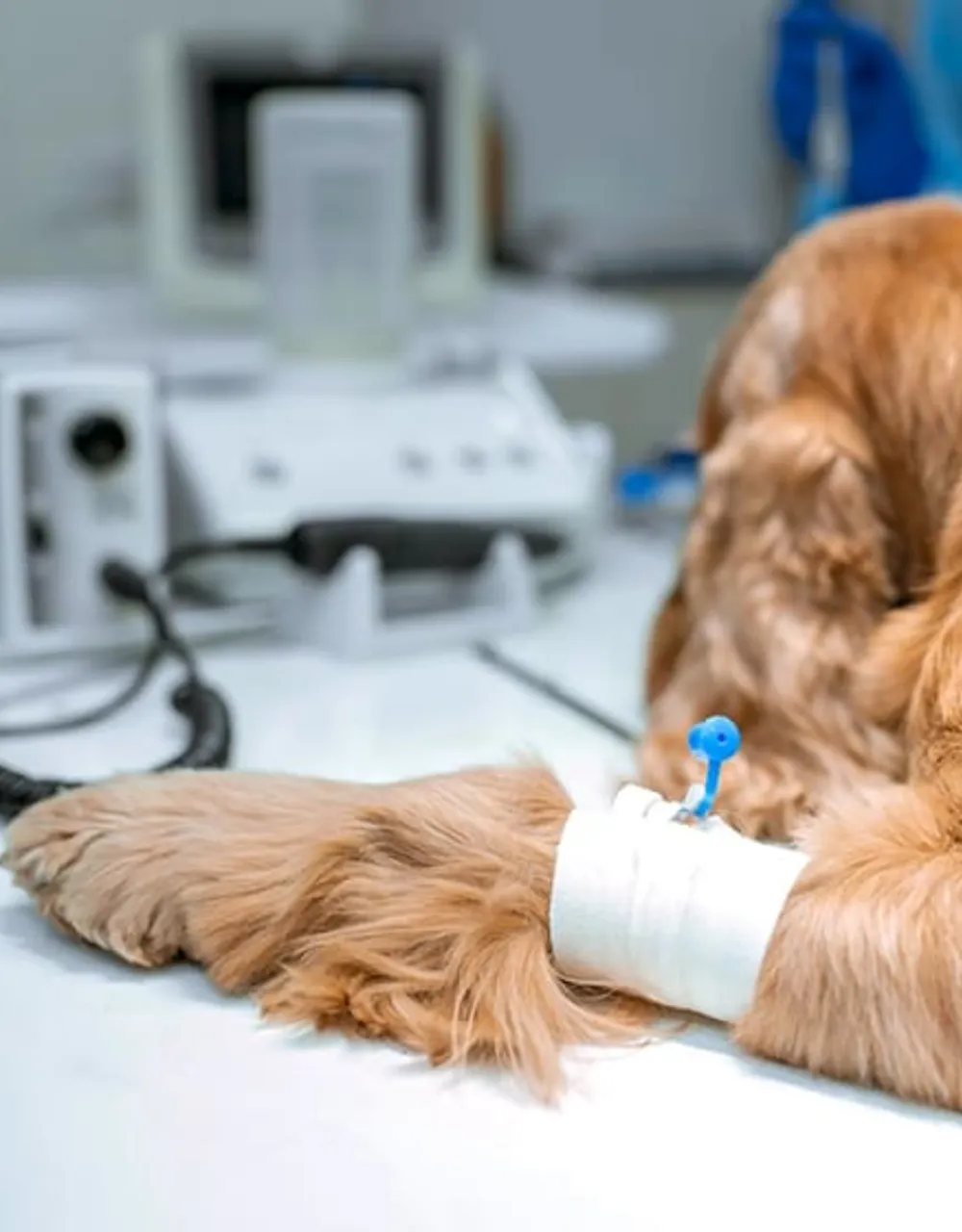
Exploratory Surgeries
When diagnostic tests cannot fully explain your pet’s condition, exploratory surgery may be necessary to identify the underlying issue.
At Arnett Hospital, our exploratory surgery services are performed with precision, safety, and compassionate care. This procedure allows our veterinary team to closely examine internal organs and structures to diagnose conditions that imaging or lab tests may not clearly reveal. Exploratory surgeries are often recommended in urgent or complex medical cases where timely answers are critical. We use advanced surgical techniques, sterile protocols, and continuous monitoring to ensure your pet’s safety throughout the process. Our team also focuses on pain management and smooth recovery planning. Pet owners across Chicago trust our surgical expertise when their pets require deeper diagnostic intervention.

When Exploratory Surgery Is Recommended
Exploratory procedures are typically advised when pets show persistent or severe symptoms without a confirmed diagnosis through routine testing.
- Unexplained abdominal pain
- Suspected internal bleeding
- Gastrointestinal blockages
- Tumors or abnormal growths
- Trauma related internal injuries
Post Surgical Recovery and Monitoring
Recovery care plays a critical role in successful surgical outcomes. We provide structured aftercare guidance and medical monitoring.
- Pain management planning
- Wound care instructions
- Activity restriction guidance
- Follow up examinations
- Ongoing healing assessments
What the Procedure Involves
Exploratory surgery is performed under general anesthesia, allowing veterinarians to examine internal organs thoroughly and address issues when possible.
- Careful abdominal or targeted incision
- Visual examination of organs
- Tissue biopsy collection
- Removal of foreign objects if found
- Immediate corrective surgical action
Advanced Surgical Safety Measures
Pet safety is our highest priority during all surgical procedures. We follow strict monitoring and sterile protocols to reduce risks.
- Pre surgical health evaluation
- Anesthesia monitoring equipment
- Sterile surgical environment
- Vital sign tracking throughout surgery
- Dedicated surgical support team